Gaming
CSI Zelda: Examining Counterfeit Famicom Disk Games
On November 5, 2021 by Jonathan ZdziarskiI’ve previously written about auditing a graded video game, and some of the techniques that can be used to authenticate them. Now, I bring to you a wonderful opportunity to demonstrate what some counterfeit games looks like, and how to spot one. It was a cold December day, when I came across an auction on Yahoo JP by seller hiroki888dorakue: a sealed Legend of Zelda (Zelda no Densetsu) Famicom game listed as “new” and “unopened”. Not only new, but this item has the coveted yellow “Disk System” text in the upper left corner, which only exists on early issue versions (v.0) of the game. For those who aren’t familiar with Famicom, Nintendo released the Famicom system in Japan prior to the US version known as the “NES”. The Japanese version of the “NES” was way cooler than what we had, and had many accessories that our American systems didn’t – 3D glasses (Rad Racer and Falsion look great), a keyboard with BASIC, a revolver (explaining the western theme of games that were strangely released in the US with a futuristic Zapper gun), and the beloved Famicom Disk System. Many popular titles were initially released on the Disk System before they landed in the United States in NES cartridge form factor. Legend of Zelda, released in the US in August 1987, was first released on disk in February 1986 in Japan. The Disk System had many neat features, including a PCM sound channel, giving this first version of Zelda a superior soundtrack. I own three additional copies of this game, two with the yellow text and one with the white text, a change Nintendo made in later production runs.
The Famicom Disk System made it relatively cheap to get a new game. Nintendo set up Famicom Disk Writer kiosks across Japan, where kids could put down a few Yen and get a brand new game written on their old disks. They would also be given a fresh set of labels for the game. This service, which was very awesome if you were a kid, became very popular in Japan until Nintendo discontinued it due to heavy piracy. Unfortunately, the ability to easily copy and relabel disks is also one of the many reasons counterfeiting Famicom Disk System games is so easy.
Today, there are numerous collectible counterfeits of popular (and expensive) titles on the market. A typical counterfeit looks like a brand new, sealed copy of a title but may actually have a fake seal, reproduction inserts, and possibly even a disk that used to be something mundane, like Golf, relabeled with fresh Disk Writer or reproduction labels. In this post, I’ll take a look at a few such counterfeits and point out some of the ways to detect them in your own collection.
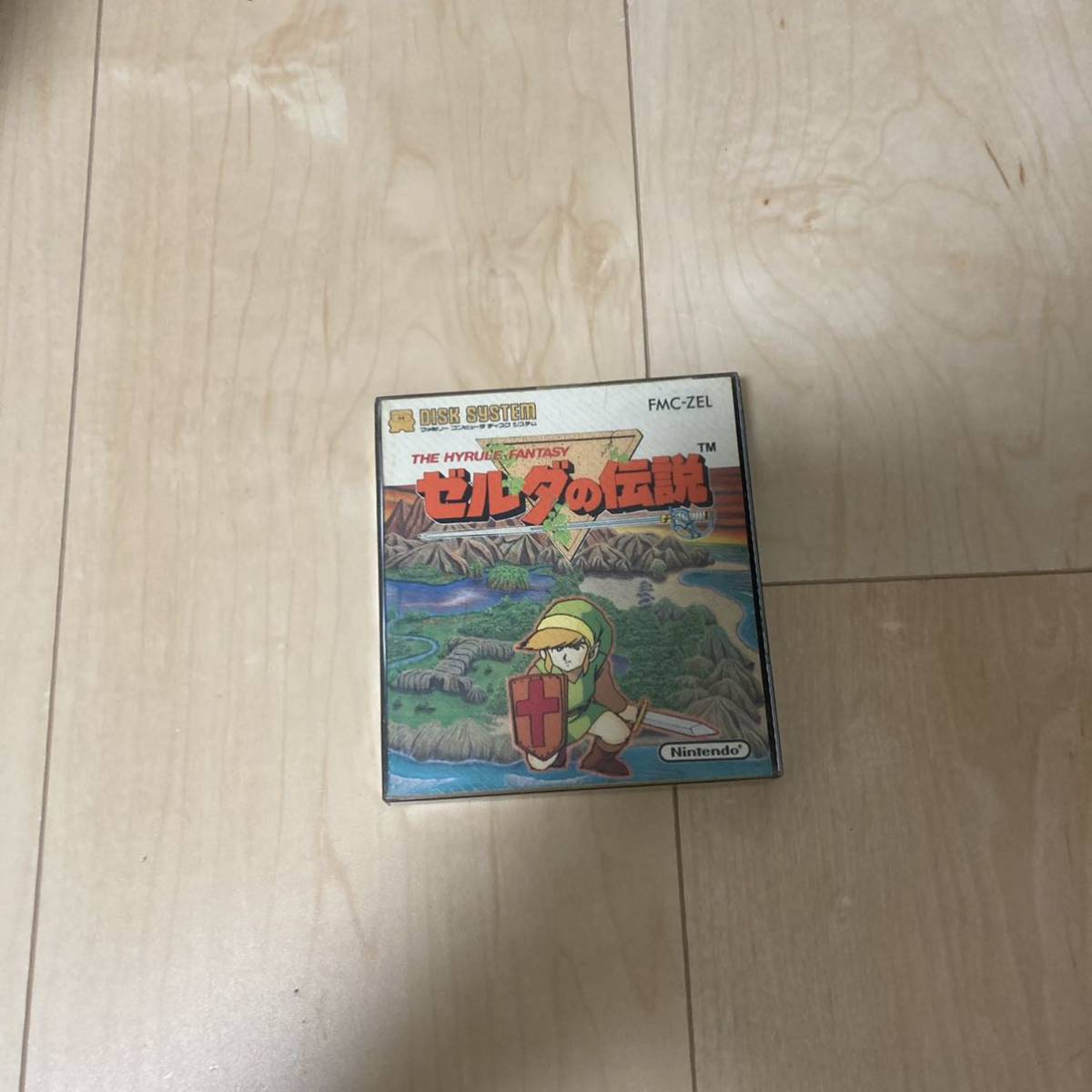
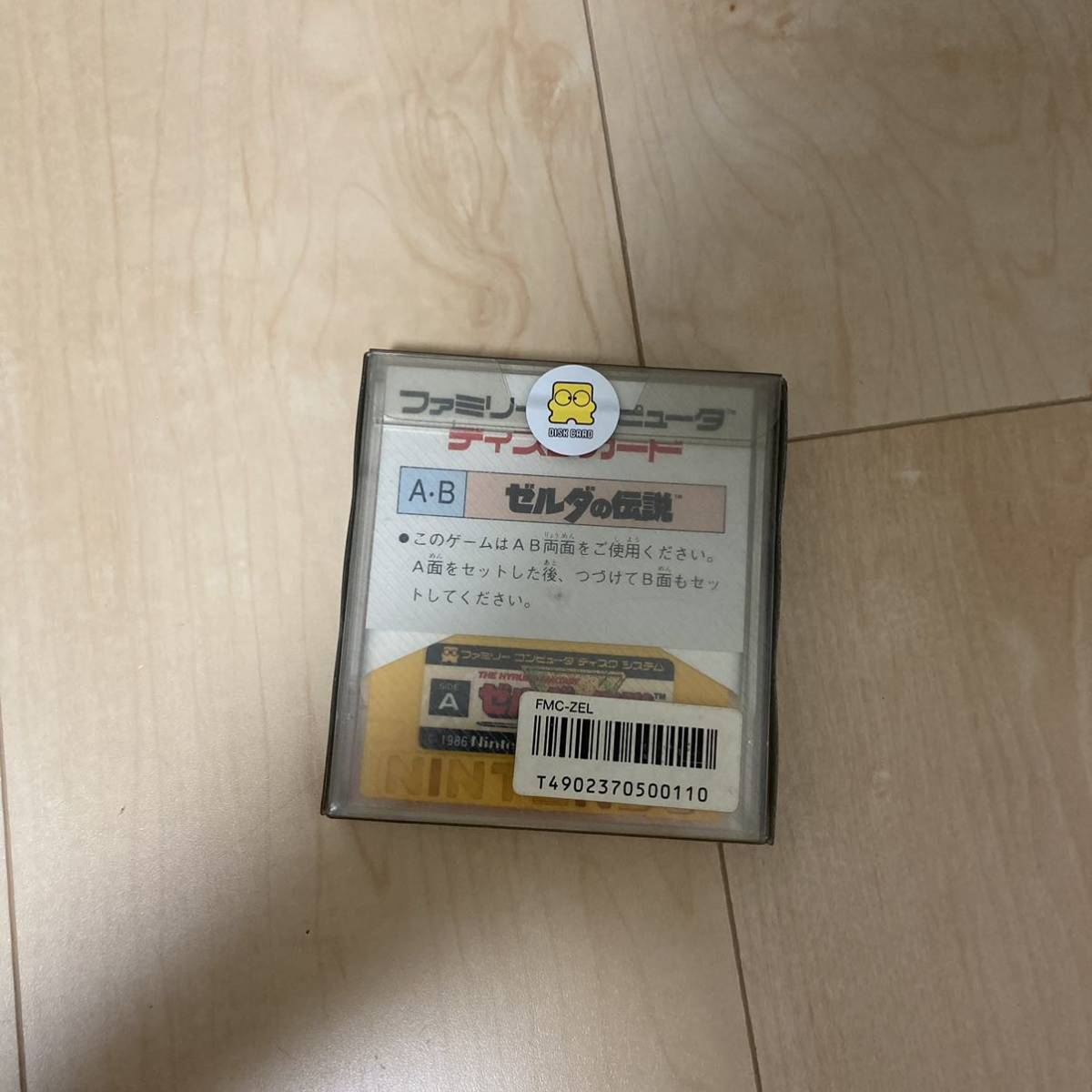
The seller of this Zelda title had 70 positive reviews and only one negative review, which would lead some to believe he’s trustworthy. Most Japanese proxy bidding sites, however, often require hundreds of positive feedbacks before they’ll even allow you to buy from a merchant. There are other problems on the American auction sites. For example, user geisha-export has sold me a few counterfeits in the recent past, but when eBay issues a refund, the seller can have their negative feedback removed. As a result, no one knows that some of these sellers are cashing in on fakes.