CSI Zelda: Examining Counterfeit Famicom Disk Games
On November 5, 2021 by Jonathan ZdziarskiI’ve previously written about auditing a graded video game, and some of the techniques that can be used to authenticate them. Now, I bring to you a wonderful opportunity to demonstrate what some counterfeit games looks like, and how to spot one. It was a cold December day, when I came across an auction on Yahoo JP by seller hiroki888dorakue: a sealed Legend of Zelda (Zelda no Densetsu) Famicom game listed as “new” and “unopened”. Not only new, but this item has the coveted yellow “Disk System” text in the upper left corner, which only exists on early issue versions (v.0) of the game. For those who aren’t familiar with Famicom, Nintendo released the Famicom system in Japan prior to the US version known as the “NES”. The Japanese version of the “NES” was way cooler than what we had, and had many accessories that our American systems didn’t – 3D glasses (Rad Racer and Falsion look great), a keyboard with BASIC, a revolver (explaining the western theme of games that were strangely released in the US with a futuristic Zapper gun), and the beloved Famicom Disk System. Many popular titles were initially released on the Disk System before they landed in the United States in NES cartridge form factor. Legend of Zelda, released in the US in August 1987, was first released on disk in February 1986 in Japan. The Disk System had many neat features, including a PCM sound channel, giving this first version of Zelda a superior soundtrack. I own three additional copies of this game, two with the yellow text and one with the white text, a change Nintendo made in later production runs.
The Famicom Disk System made it relatively cheap to get a new game. Nintendo set up Famicom Disk Writer kiosks across Japan, where kids could put down a few Yen and get a brand new game written on their old disks. They would also be given a fresh set of labels for the game. This service, which was very awesome if you were a kid, became very popular in Japan until Nintendo discontinued it due to heavy piracy. Unfortunately, the ability to easily copy and relabel disks is also one of the many reasons counterfeiting Famicom Disk System games is so easy.
Today, there are numerous collectible counterfeits of popular (and expensive) titles on the market. A typical counterfeit looks like a brand new, sealed copy of a title but may actually have a fake seal, reproduction inserts, and possibly even a disk that used to be something mundane, like Golf, relabeled with fresh Disk Writer or reproduction labels. In this post, I’ll take a look at a few such counterfeits and point out some of the ways to detect them in your own collection.
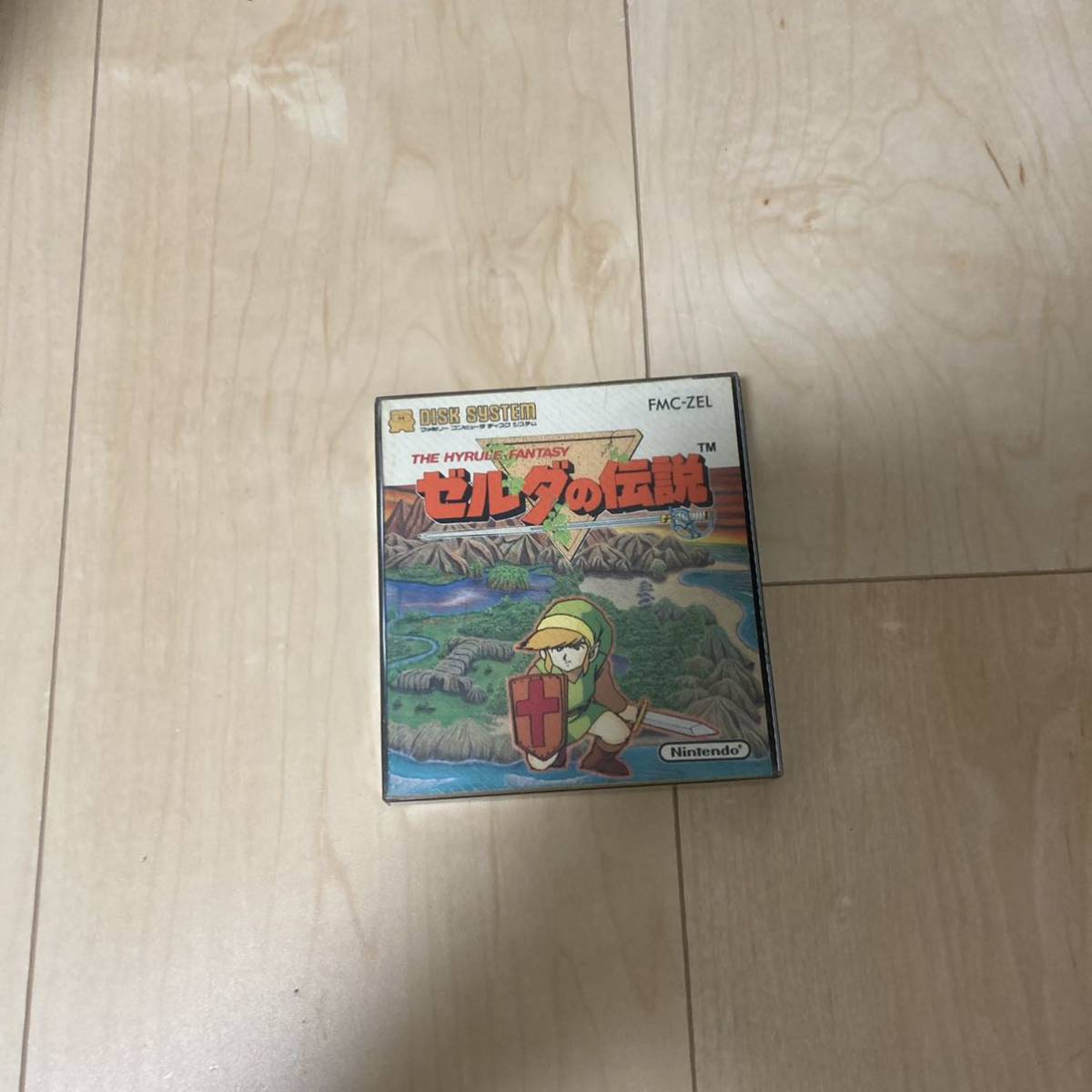
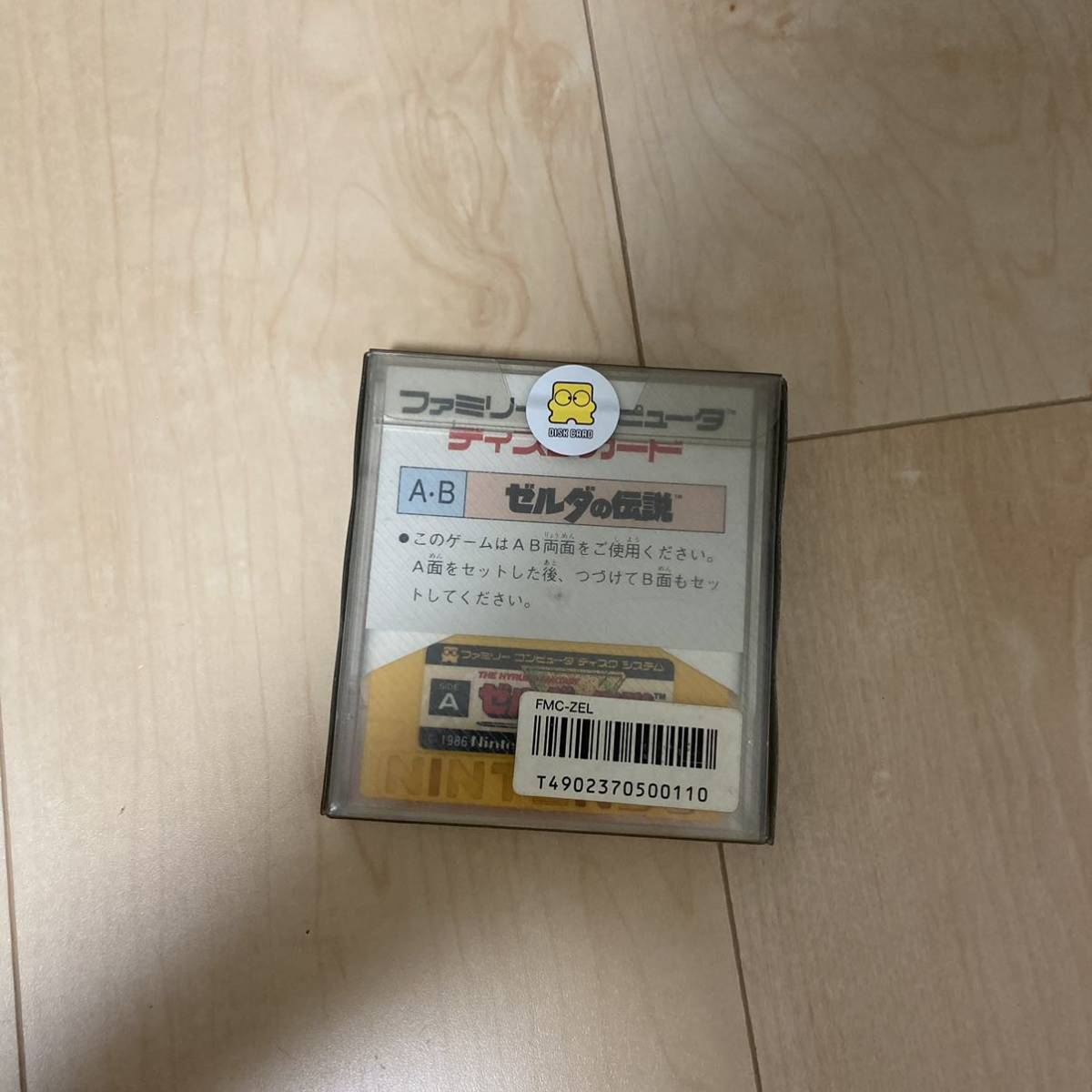
The seller of this Zelda title had 70 positive reviews and only one negative review, which would lead some to believe he’s trustworthy. Most Japanese proxy bidding sites, however, often require hundreds of positive feedbacks before they’ll even allow you to buy from a merchant. There are other problems on the American auction sites. For example, user geisha-export has sold me a few counterfeits in the recent past, but when eBay issues a refund, the seller can have their negative feedback removed. As a result, no one knows that some of these sellers are cashing in on fakes.
Auction Red Flags
Now, there are a few noticeable red flags with this auction. First, a typical collector will post more than just a front and back photo. Auctions with such little detail are often trying to hide something. An auction that doesn’t contain several closeups, or uses low resolution photos, is immediately suspicious. A serious collector also generally doesn’t photograph their collectibles on the floor. But that aside, there are some technical red flags here too.
While not immediately obvious unless you’re looking for it, the photos are clear enough to make out that there’s a significant amount of wear on the UPC code, as well as the packaging, but the seal looks absolutely brand new. Nintendo’s Famicom disk seals are designed to be tamper-evident. As a result, they’re very easy to damage. I have several copies of games with hairline scratches, scrapes, and even parts of the VOID text showing through – because they’re designed to be super easy to damage. For a game to be this dirty, but have a clean and perfect seal is certainly suspicious.
The presence of VOID under-printing isn’t a guarantee that the game is authentic, only that the seal probably is. It’s possible to dry out the seal on a less expensive game using a heat gun, and then reapply it to a more expensive game. Many auctions have the dead giveaway of a crooked seal, or one that’s not positioned exactly where it should be (with the seam passing right under Diskun’s arms, though there may be slight room for variation from machine to machine). Both of these are signs of a seal that’s been replaced or moved. I’ve never seen an authentic Nintendo game with a crooked seal, and in all likelihood they were sealed by a machine. At least for Nintendo titles, a crooked seal is either a fake seal, or a moved seal.
This seal, however, looked straight. The seal is visibly identical in measurements to an authentic Famicom Disk System sticker seals, and in fact measured exact when I received it. The crease was also straight under Diskun’s arms showing a good placement. These aren’t hard to reproduce if you’re experienced in mass counterfeiting of Famicom titles. While this sticker is in fact a fake, there’s not enough detail in the photos to see the difference in its sheen and lack of VOID under-printing, which I’ll also show later in this post. Some auctions wrap their games in thin plastic wraps to obscure the differences. Other possibilities? One might first consider perhaps it could be a replacement Nintendo seal; stores were known to have replacement seals for items that were damaged. Those retail seals, however, were intentionally made 1cm larger than the original Famicom seal, and very easy to spot in photos by comparing the space from the sticker to the package cutout. Replacement retail seals also have VOID under-printing.
From what little you can see of the packaging, one other thing that is noticeable are the sides bulging out around the rivets. This is pretty typical for a game that’s been heavily used, had heavy things placed on it, been exposed to water, or just not well cared for. Lastly, the price was a giveaway: a sealed, yellow label version of this game today sells for around $1,500-$2,000. This item had a Buy-it-Now price of only around $200.
In spite of the red flags, I decided to take a chance on this, if for any reason to write a blog post like this about it. So what did I end up with?
Ultraviolet Inspection
One of the best ways to authenticate a Famicom Disk game is with the help of an ultraviolet light source. I have several, but my favorite is the Jaxman U1c. It’s light, compact, and just the right power level to inspect things this small in your closet. I also recommend buying yellow, orange, and red filtered glasses, as each will pick up the fluorescence of different types of fluids and oils.
The first thing I inspected was, of course, the sketch seal. In person, it’s easy to see that the seal is too shiny compared to the slightly-matte seals that Nintendo made. Under an ultraviolet light, even more is special about this seal. As shown in the photo below, the seal is much more opaque than an authentic Famicom Disk System seal, but the one thing to notice is that there is no VOID under-printing. It is normally very easy to get it to show on an authentic game, but absolutely nothing on this seal was showing through.


Another thing that fluoresced under the UV light was some residue on the top of the manual, through the packaging. This is consistent with the types of oils one leaves when sweaty hands have handled an item.

There’s enough evidence here to convince me that this item had been previously opened, and that the seal was a fake. So I did what any self-respecting game enthusiast would do, and opened the package.
Fake Seals
The seal was a real pain to get off, because it’s one of those modern foil seals as opposed to the ones Nintendo designed to be easy to break off. It’s real easy to see in person just how shiny the sheen is compared to a the authentic seals. It’s also real easy to see that there’s no VOID under-printing on this fake seal, and it left no evidence of itself on the packaging either. The yellow Diskun is a lighter shade of yellow, and has a more foil-like shiny sheen on it than a genuine Famicom Disk sticker usually does; the genuine Diskun is more matted just like the rest of the sticker, and – unless severely faded – a more saturated, darker shade of yellow. I have seen this same foil sticker on three other Famicom games that have passed through right to the refund pile: Metroid, Doki Doki Panic, and a Castlevania II.


Biologicals and Wear
Now that the game is open, let’s take a closer look inside! There was all kinds of touching going on on the printed materials of this game. The wear on the manual edges itself showed it has some considerable use, and the inserts had clear evidence of coming in contact with oils or other liquids.


The jewel case itself had some very clear signs of use and wear, which became a lot easier to spot once outside the packaging. This type of wear is common on counterfeit “new” games, as it’s very easy to scratch up the soft plastic on the jewel cases. A game can be completely clean, but have jewel case wear revealing it has been removed from its packaging or even used. The last person to use the game also left what looks like a thumbprint on the wax envelope!


Saved Games – Really??!?
I took an image using FDSStick connected to a Famicom Disk drive, and loaded it into OpenEmu. My absolute favorite part about this counterfeit was the fact that there were saved games still on the disk. Not only this, but the image version was v1, where this game should have been a v0. So the disk is not even original to the manual, but probably just grabbed from some old pile of spares.

Artifacts From Other Games
Here are a few other artifacts from games I’ve examined with counterfeit seals. When I encounter one, I usually end up getting a refund without having to return the item (either via eBay, or through my credit card company’s dispute process), so I’ve got a bunch sitting in a drawer.
This copy of Doki Doki Panic (personal collection) looks virtually untouched under UV. It likely came from Famicom Clubhouse, an old collectibles store in Japan that has been selling water-damaged copies of this title on Yahoo JP. Someone likely purchased it with a damaged seal and replaced it with a new, counterfeit seal. The rest of the game appeared to be in new condition. Sometimes, all it takes is a .05 c fake seal to increase the value of a game like this by $500 or more.


You can see below the printed materials look completely untouched. The game was likely never removed from its sleeve, lending itself to the idea that it was probably just a damaged sticker seal.

This copy of Metroid (personal collection) had clear signs of label wear around the edges, which could be seen with the UV from outside the packaging. Upon examining the contents, I dusted the disk for latent prints and found what appears to be a smudge from a thumb along the edge of the disk, where you’d expect to find it on a game that had been played. Sure enough, this copy also had some saved games stored on it.


Were it not for the fake seal, I never would have suspected anything was wrong with this copy of Castlevania II: Simon’s Quest (personal collection). The exterior was in pristine condition and the seal looked perfect. There were no signs of use showing through the package under UV. Based only on the lack of VOID under-printing on the seal, I examined the contents of the game to find stains on the back of the manual and obvious scratches and wear on the jewel case that was not visible from outside the package. This is an expensive title, so I was pretty pissed to discover it was a fraud. Thanks for nothing, eBay user geisha-export. I’m still looking for an authentic copy of this title.


In an auction of the same game online, the photo below reveals uneven and bent pages, showing evidence that the manual had previously been open and handled. Manuals in factory sealed games will have consistent pages with no bends or unevenness. While some of the thinner manuals, such as Super Mario Bros., can often have a smooth separation down the middle, these pages show clear signs of prior handling.

The seal on this Pro Wrestling case (seen in an online auction) shows a halo of glue surrounding the upper portion of the seal. Either the case was exposed to hot summer temperatures (allowing the seal to slip), or was exposed to a heat gun. It’s also possible that the seal dried and released from the upper portion of the case, and was glue-sticked back on. Given this is one of the less valuable titles, it’s likely not an intentional counterfeit, but rather the result of poor storage and possibly a hacky fix.

This copy of Super Mario Bros (seen in an online auction) appeared to have a correct looking seal, and even supplied high resolution photos of the item. Unfortunately, it also shows a small amount of wear or liquid damage in the bottom corner of the contents. The corner here doesn’t look like it’s in good shape, so it could simply have been damaged however any signs of wear, dirt, or stains on the inside of an item is an automatic fail and could be a sign of an item that has been previously used. It is ironic that Super Mario Bros goes for such a high price, as the original release was in fact on cartridge, and not Famicom Disk.


This copy of Zelda (seen in an online auction), listed for around $1,000, has several red flags. While the seal is in good shape, it’s also positioned far too low on the case, suggesting it’s been replaced by hand. The green tab at the top of the case (from one of the inserts) is bent upwards, and also appears to be slightly wrinkled, suggesting someone has handled it. The right side of the floppy disk’s wax sleeve has a subtle, but clear indentation in the paper consistent with a disk that’s been removed from its sleeve and then replaced. It is possible the internal contents could have wound up in this state from poor storage, humidity, and perhaps being dropped, but these combined with the misplaced seal (which can sometimes travel up from the force of the flap, but never down) suggests one is best to pass over this item.


Yet another copy of Zelda (seen in an online auction) has a seal that looks just a bit too wrinkled and shiny, where it behaves more like a newer foil seal. It’s also in the wrong orientation… but what’s particularly telling about this copy (listed for around $1100, as an “early” copy with the yellow text) is that the green insert page was placed at the very front of the booklet. At the factory, the green insert was added just behind the sticker page, so it should appear behind two pages – the front cover and the sticker page. This one appears to be just behind the booklet’s cover, suggesting it was placed there by a seller.


This copy of Nintendo Soccer (seen in an online auction) is one of the more pitiable fakes. The flaws in this copy should be obvious to anyone: the seal is not only crooked but hanging off the case and stretched out, the plastic flaps at the top of the case are partially extended (indicating the item has been opened and then poorly resealed), there is dirt and wear on the inside of the case, the disk and wax sleeve are crooked, and if you look at the pink insert underneath the disk, you can see a small wrinkle that is likely the result of cramming the contents back into the case.


Other Tips
In addition to an inspection of the seal and surfaces under a UV, there are other approaches you may take to try and establish forensic authentication of an item. When inspecting the item, be thorough. Look at all of the contents through the box, using a magnifying glass. Inspect all of the edges and corners of the content that is visible. Subtle details such as corners are often overlooked when items are repackaged. Check for wrinkles, frayed or bent corners, and wear on the manual and any inserts that you may see. All pages should be perfectly uniform and not show signs of unevenness or wrinkling around the page. In spect the wax envelope looking from the bottom of the case up; the wax envelope should flow in a uniform, oval-like shape, and not show signs of being pushed down or bent in a particular area. Examine the labels closely and check for wear, particularly around the edges. Inspect all sides for any stains or dirt on the item. Check for a halo around the seal; sometimes, very minor seal slippage can occur, but too much glue around the seal may be an indication of a transplanted or re-glued seal. True slippage should only present a thin halo near the top of the seal, and not around the bottom half as it is caused from the pressure of the top flap pulling on the seal. Any small impressions on a deal, such as from a fingernail, can be evidence of a seal that popped and was re-glued back into place. Check the side flaps; they should be perfectly flat. If they are raised slightly then this can be an indication that the case was previously opened, although it can also be consistent with more extreme seal slippage too. Examine the folding edges of all flaps and look for signs of micro-cracks caused from folding them open (these are not always visible).
Conclusion
So there you have it. This is what a counterfeit copy of a sealed Famicom game circulating through the auction scene looks like. The game and materials are often legit, however it looks like someone shoved a used game back into its box and then stuck a fake seal on it. As-is, these titles are worthless, maybe worth $20-$30 as used copies. The seller takes some cheap worthless used games like these and repackages them. In some cases, they don’t even need the original disk – one can easily rewrite and relabel some spare disk using the replacement labels in the manual. Using a fake seal, they can turn around and sell these for hundreds or even thousands more to unsuspecting collectors. It can be quite lucrative for a small collectible shop, and because much of it happens overseas and online, there is little risk of prosecution. Naturally, I opened up the correct disputes and will likely get my money back. For the average person collecting these, this fake used game could have ended up sitting in someone’s prized collection for years. It’s important to always keep a skeptical eye when buying collector’s items. Never just assume that seals can’t be copied, or that games are authentic because they look old. Don’t assume that good feedback is enough to trust a seller. And in everything you do, bring a good UV light source with you!